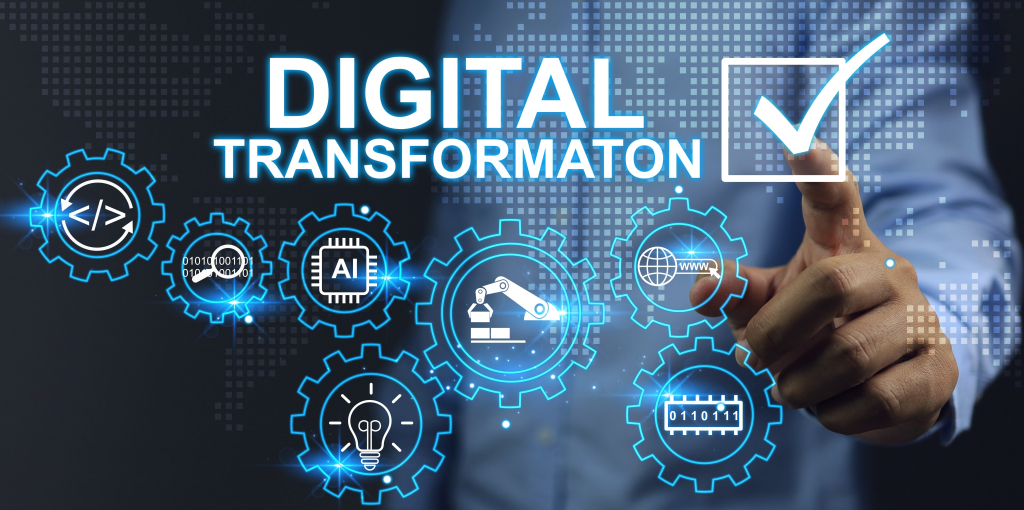
The year 2026 is witnessing a rapid digital shift that is changing how society functions at every level. The Biggest Digital Transformation of 2026 Is Happening Right Now as digital systems quietly become part of everyday routines, from communication to services and business operations.
Unlike earlier technology changes, this transformation is not limited to one industry. Instead, it is spreading across public services, personal life, and global markets at the same time. Meanwhile, people are adapting their habits without even realizing how fast this change is happening.
As a result, the world is slowly moving toward a fully connected digital ecosystem.
Physical Services Are Moving Online
One of the biggest changes is the shift from physical services to digital platforms. Many tasks that once required physical presence are now completed online.
Meanwhile, government services, banking systems, and customer support are becoming fully digital. As a result, people can complete tasks in minutes that used to take hours or days.
In addition, organizations are reducing paperwork and moving toward automated systems to improve efficiency.
Data-Driven Decision Making Is Increasing
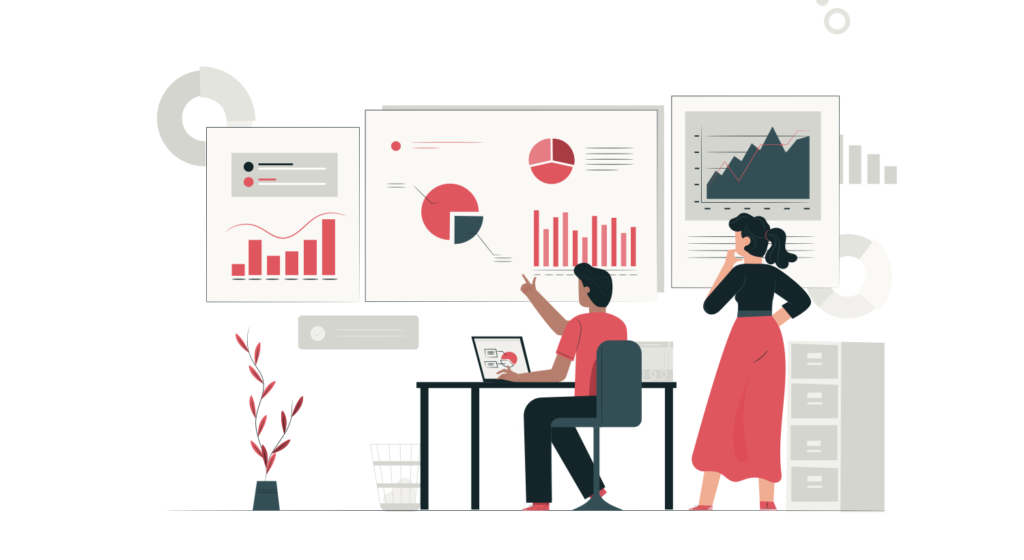
Businesses and institutions are now relying heavily on data instead of manual decision-making.
For example, companies analyze customer behavior, market trends, and digital interactions to make better decisions. Meanwhile, AI tools help process large amounts of information quickly.
As a result, decisions are becoming more accurate and efficient than ever before.
However, this also increases the importance of data security and privacy protection.
Digital Identity Is Becoming More Important
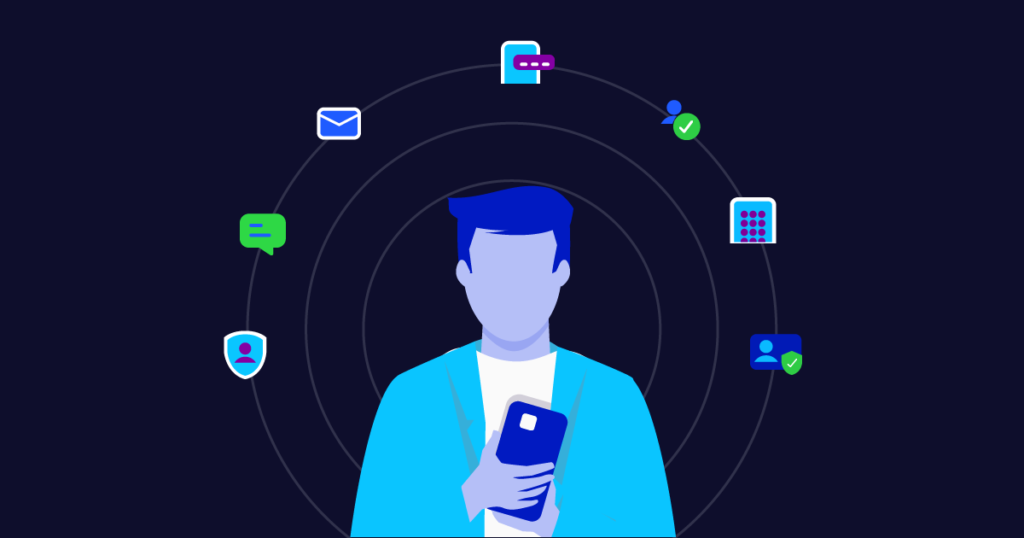
In 2026, digital identity is becoming a key part of online systems. People use digital IDs for banking, education, and government services.
Moreover, verification systems are becoming more advanced to prevent fraud and improve security.
As a result, digital identity is now essential for accessing many online services.
In addition, biometric systems like fingerprint and face recognition are becoming more common.
Work Culture Is Changing Quietly

The transformation is also reshaping work culture around the world. Employees now use digital platforms to collaborate, share files, and manage tasks.
Meanwhile, remote and hybrid work models are becoming normal in many industries.
As a result, office-based work is slowly shifting toward flexible digital environments.
However, this also requires workers to develop new digital skills.
Entertainment and Media Are Fully Digital
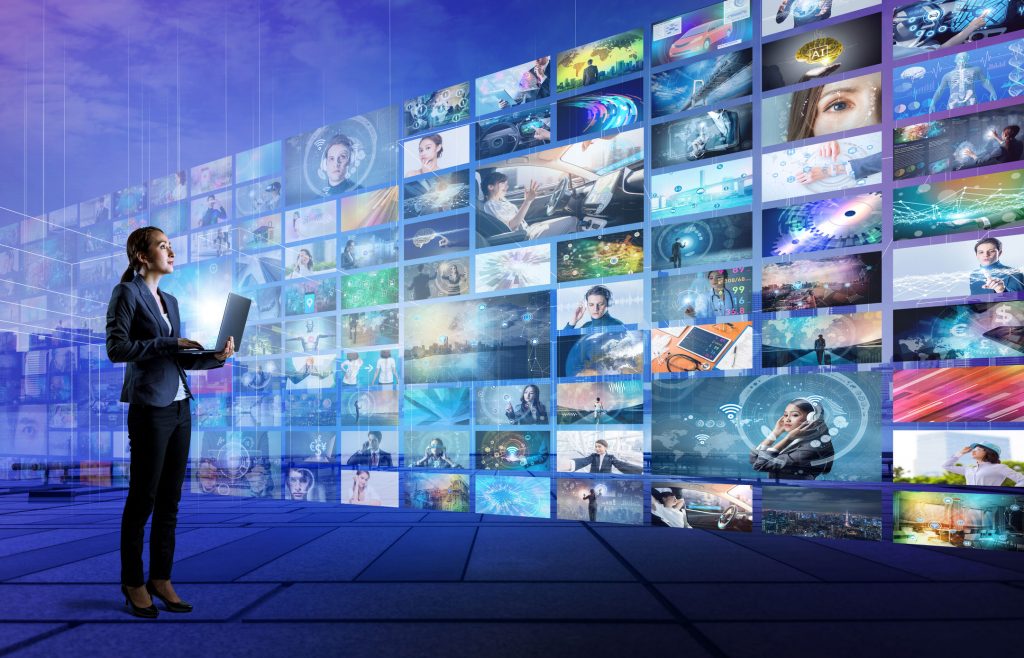
Entertainment consumption has completely changed in 2026. People now prefer streaming platforms, short videos, and interactive content.
Moreover, digital platforms personalize content based on user preferences.
As a result, traditional media is losing dominance while digital entertainment continues to grow.
In addition, content creators are becoming a major part of the global media industry.
Smart Systems Are Running in the Background
Many digital systems now operate automatically without user attention. For example, apps adjust settings, recommend actions, and optimize performance using AI.
Meanwhile, smart systems are being used in transportation, homes, and public infrastructure.
As a result, daily life feels smoother and more automated than before.
However, most users are not even aware of how much automation is happening behind the scenes.
Future Direction of This Transformation

Experts believe this digital shift will continue expanding rapidly in the coming years.
Moreover, technologies like AI, automation, and smart infrastructure will become even more advanced.
As a result, the gap between physical and digital life will continue decreasing.
In addition, adaptability will become one of the most important skills for the future.
Final Thoughts
The Biggest Digital Transformation of 2026 Is Happening Right Now, but it is not just a technology update it is a full change in how society operates.
Meanwhile, systems, behavior, and industries are all evolving together. As a result, the world is moving toward a highly digital and automated future.
The transformation is ongoing, and its impact will continue shaping the next decade.