
The global job market is experiencing one of its biggest transformations in recent years. Companies, employees, students, and governments are all adapting to changes that are reshaping how people find work, build careers, and develop professional skills.
Unlike previous years, today’s workforce is influenced by technology, changing business models, demographic shifts, and evolving employee expectations. As a result, traditional career paths are no longer the only option for workers seeking success.
Experts believe a powerful shift is underway that could redefine employment opportunities across multiple industries during the next decade.
Employers Are Prioritizing Skills Over Degrees
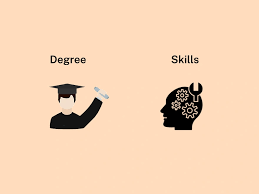
One of the biggest changes in the job market is the growing emphasis on practical skills.
Many employers now focus on what candidates can do rather than where they studied. Skills such as communication, problem-solving, leadership, digital literacy, and adaptability are becoming increasingly valuable.
Meanwhile, professional certifications, online training programs, and portfolio-based hiring continue gaining acceptance.
Experts explain that skill-focused recruitment helps businesses find talent more efficiently.
Flexible Work Has Become a Workplace Expectation

Workers increasingly value flexibility when choosing careers.
Many professionals prefer hybrid schedules, remote opportunities, and results-based work environments rather than traditional office-only roles.
Furthermore, businesses that offer flexibility often attract stronger talent and improve employee satisfaction.
Because of this trend, workplace flexibility is becoming a competitive advantage for employers.
The Gig Economy Continues Expanding

Freelancing, contract work, and project-based employment are becoming important parts of the global economy.
Many individuals now combine multiple income sources instead of depending entirely on one employer.
Meanwhile, companies benefit from accessing specialized expertise without maintaining large permanent teams.
Experts believe the gig economy will continue growing as digital platforms connect professionals with opportunities worldwide.
Technology Is Changing Workforce Demands

Technological innovation is influencing hiring patterns across nearly every industry.
Automation handles repetitive tasks, while advanced software improves efficiency and productivity.
As a result, demand is increasing for workers who can manage technology, interpret information, and solve complex problems.
Experts emphasize that continuous learning has become essential for long-term career growth.
Emerging Industries Are Creating New Opportunities

Several sectors are creating significant employment opportunities around the world.
Clean energy, digital commerce, healthcare innovation, financial technology, logistics, and advanced manufacturing continue expanding rapidly.
Meanwhile, investment in these industries is creating demand for both technical and non-technical professionals.
Experts predict these growth sectors will shape future employment trends for many years.
Workers Are Changing Careers More Frequently

Career changes are becoming more common than in previous generations.
Many professionals now switch industries, pursue additional education, or develop new skills throughout their careers.
Furthermore, workers increasingly view career growth as an ongoing process rather than a single long-term path.
Experts believe adaptability is becoming one of the most valuable professional qualities.
Global Competition Is Increasing

Digital connectivity allows employers to recruit talent from different regions and countries.
Meanwhile, workers can apply for opportunities that were previously unavailable due to geographical limitations.
This global competition creates both opportunities and challenges for job seekers.
Experts recommend developing specialized skills and maintaining strong professional networks to remain competitive.
Employee Well-Being Is Receiving More Attention
Organizations are paying greater attention to employee well-being, mental health, and work-life balance.
Many companies now offer wellness initiatives, flexible policies, and professional development programs.
Meanwhile, employees increasingly prioritize workplace culture when evaluating job opportunities.
Experts explain that healthy work environments often improve productivity and retention.
Lifelong Learning Is Becoming Essential

The rapid pace of change means workers must continue learning throughout their careers.
Professional development, online education, industry certifications, and practical training help individuals stay relevant.
Furthermore, employers increasingly support continuous learning programs for their teams.
Experts believe lifelong learning will remain a defining characteristic of successful careers.
Final Thoughts
A powerful shift in the global job market is underway as businesses, workers, and institutions adapt to changing economic and technological realities.
Skill-based hiring, workplace flexibility, career mobility, lifelong learning, and emerging industries are transforming traditional employment models.
Experts believe individuals who remain adaptable, continuously develop new skills, and embrace change may be best positioned to succeed in the evolving global workforce.