
The global workplace is changing rapidly in 2026 as technology, Artificial Intelligence, remote work, and digital innovation continue transforming how people build careers and earn income. Millions of workers, students, and businesses are now adapting to what experts call a completely new work era.
Meanwhile, companies worldwide are introducing flexible job systems, AI-powered workplaces, hybrid offices, and digital collaboration tools that allow employees to work more efficiently than ever before. Experts believe these changes are reshaping traditional employment models and creating modern career opportunities across multiple industries.
As a result, discussions about the future of work are dominating Google searches, business news, and social media platforms worldwide.
Remote Work Continues Expanding

Remote work remains one of the biggest changes in the modern work era of 2026. Many companies now allow employees to work from home or apply for international online positions.
Meanwhile, freelancers and digital workers continue finding opportunities in writing, programming, customer support, graphic design, online teaching, and social media management.
Experts explain that remote work attracts millions of people because it offers flexibility, reduced travel costs, and global earning opportunities.
Because of these advantages, online work systems continue growing rapidly across different industries.
Artificial Intelligence Is Changing Jobs
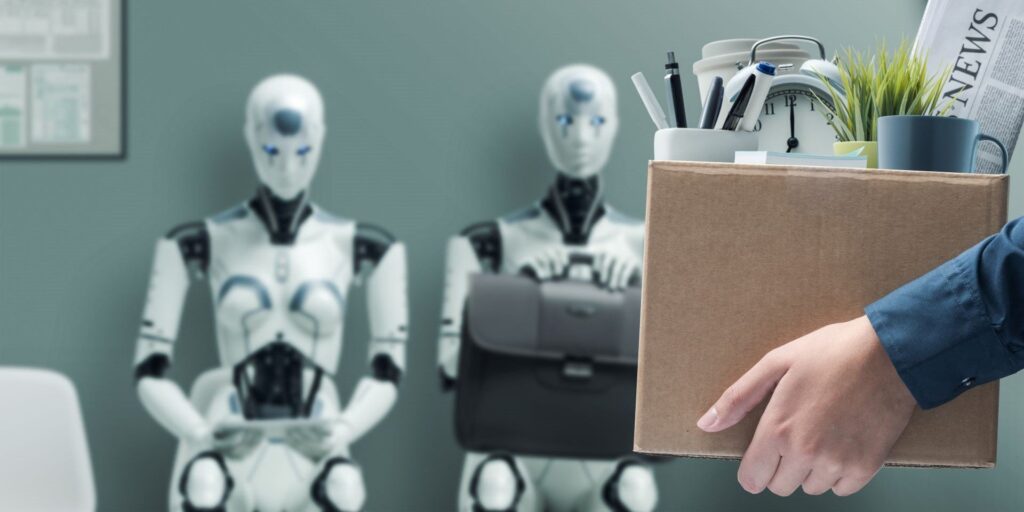
Artificial Intelligence has become one of the biggest influences on modern workplaces in 2026. Businesses now use AI systems for customer service, content creation, marketing, automation, and data analysis.
In addition, companies increasingly search for workers who understand digital systems, AI tools, and modern technology platforms.
Experts believe AI will continue creating new career opportunities while also changing traditional job roles.
Because of this shift, millions of students and professionals are learning digital and technical skills to remain competitive in future job markets.
Hybrid Offices Are Becoming More Common
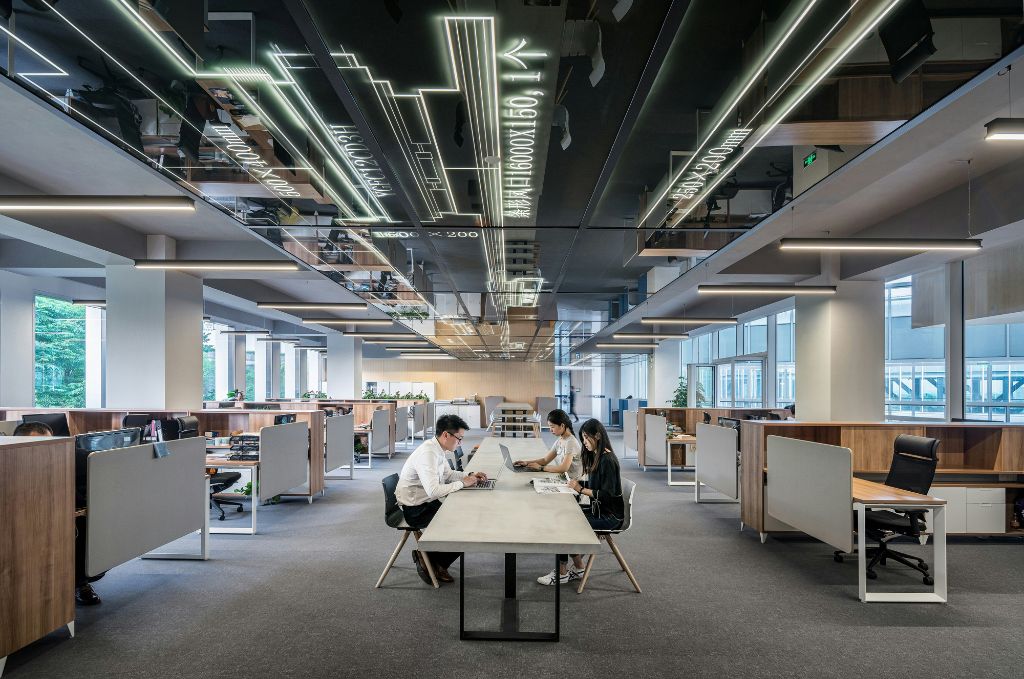
Many companies now use hybrid work models that combine office work with remote flexibility.
Employees can work both from home and physical offices depending on schedules and company requirements. Meanwhile, businesses use online collaboration tools to manage communication and teamwork more efficiently.
Experts explain that hybrid systems help companies improve productivity while giving workers more freedom and flexibility.
As modern workplaces evolve, hybrid work environments are becoming increasingly popular worldwide.
Digital Skills Are More Important Than Ever
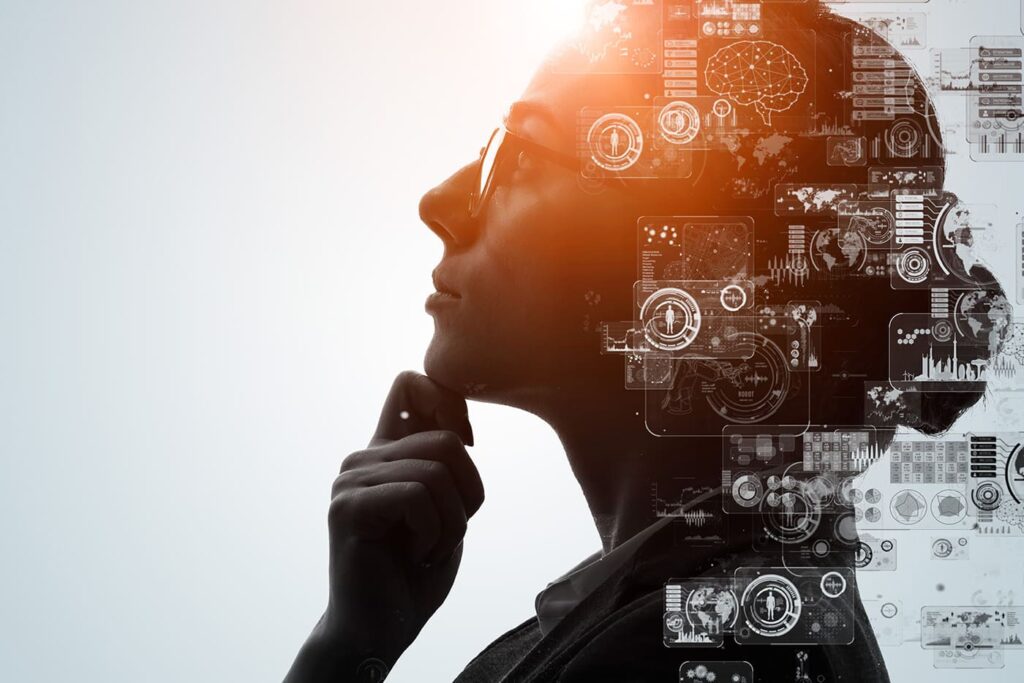
Modern employers now value digital skills more strongly than before. Communication abilities, AI knowledge, coding, online marketing, problem-solving, and adaptability are becoming essential career skills in 2026.
Students and professionals continue joining online courses and training programs to improve technical knowledge and career opportunities.
Experts believe workers who adapt quickly to technology and continuous learning may gain strong advantages in future industries.
Because of this trend, skill-based learning continues growing rapidly across online education platforms.
Freelancing and Online Business Are Growing

Freelancing and online business opportunities continue expanding worldwide in 2026.
Millions of people now earn income through content creation, e-commerce, affiliate marketing, consulting, online coaching, and digital services.
Meanwhile, social media platforms and digital marketplaces help freelancers connect directly with international clients and customers.
Experts explain that internet-based careers are creating more independence and flexibility for workers than traditional employment models.
Social Media Influences Career Trends
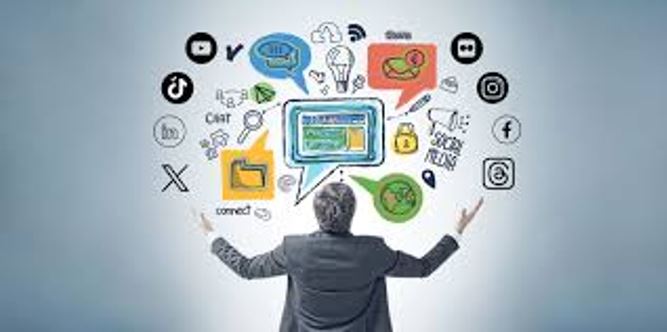
Social media platforms now play a major role in shaping career trends and work culture.
TikTok, LinkedIn, YouTube, Instagram, and X are filled with business advice, freelancing tips, AI career discussions, and remote work success stories.
Moreover, many professionals now build personal brands online to attract career opportunities and business growth.
Experts believe social media has transformed how people discover jobs, build networks, and develop professional identities.
Mental Health and Work-Life Balance Matter More
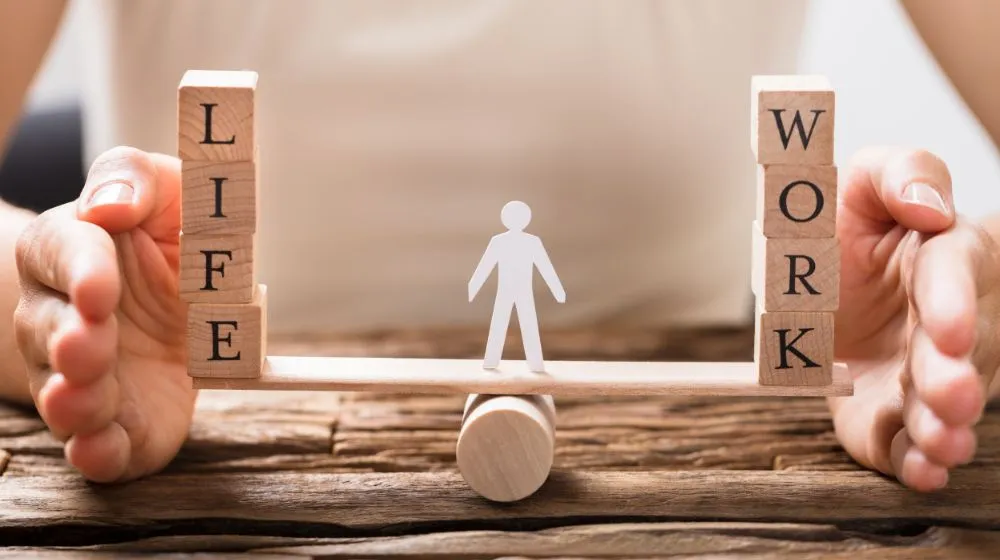
Modern workers increasingly focus on work-life balance and mental health in 2026.
Many companies now offer flexible schedules, wellness programs, and supportive work environments to improve employee satisfaction and productivity.
Meanwhile, experts encourage workers to manage stress, avoid burnout, and maintain healthy routines despite increasing digital workloads.
Because of this growing awareness, work culture is slowly becoming more flexible and employee-focused.
Technology Is Transforming Every Industry
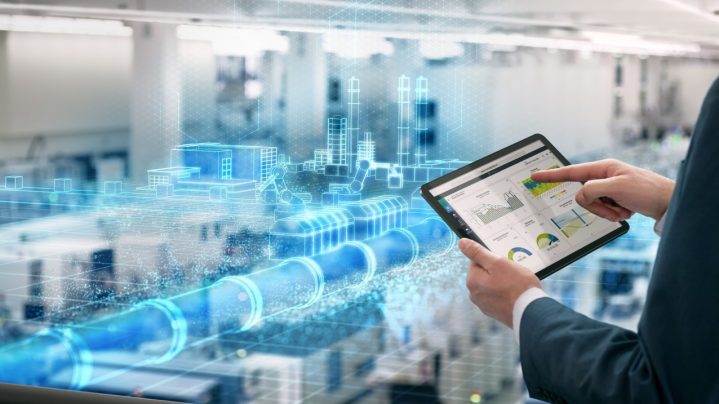
Technology now affects nearly every industry worldwide, including healthcare, education, finance, transportation, marketing, and entertainment.
Automation systems, AI tools, and digital platforms continue improving efficiency and changing how businesses operate daily.
Experts explain that industries adopting technology early may gain stronger competitive advantages in future markets.
As innovation continues accelerating, businesses and workers must adapt quickly to remain successful.
Why Experts Call It a New Work Era

Experts describe 2026 as the beginning of a new work era because traditional employment systems are evolving rapidly at the same time across multiple industries.
Remote work, AI-powered systems, freelancing, digital careers, and flexible workplaces are transforming how people think about jobs and career success.
Furthermore, younger generations increasingly prefer flexibility, independence, and technology-driven work opportunities.
Because of these major shifts, the future of work looks completely different from previous decades.
Final Thoughts
A new work era has officially started in 2026 as Artificial Intelligence, remote work, freelancing, and digital innovation continue transforming global workplaces.
Businesses, students, freelancers, and professionals are adapting to modern career systems that focus more on flexibility, technology, and digital skills.
Experts believe the future workplace will become even more connected, automated, and technology-driven as industries continue evolving rapidly in the digital age.