
Millions of students spend long hours studying every day, yet many still struggle to remember information during exams. In 2026, education experts say the problem is not always about intelligence or hard work. Instead, many students simply use outdated study methods that reduce focus, waste time, and weaken memory retention.
Students around the world often believe studying for many hours automatically leads to better grades. However, researchers and learning experts explain that effective study techniques matter far more than the number of hours spent with books and notes.
Modern education systems are changing rapidly, and experts now encourage students to use smarter learning methods instead of relying only on memorization and long study sessions.
Why Traditional Studying Often Fails

Many students repeat the same mistakes while preparing for tests and exams. Some read the same notes again and again without testing their understanding. Others spend hours highlighting textbooks but fail to actively remember the information later.
Experts explain that passive studying techniques usually create short-term familiarity instead of real learning. Students may feel confident while reading notes, but they often forget the material quickly during exams.
Distractions also create major problems for students today. Social media notifications, mobile phones, gaming, and constant online activity reduce concentration and interrupt the brain’s learning process.
Poor sleep habits, unhealthy routines, and last-minute cramming also make studying less effective. Because of these issues, many students study for long hours but still fail to achieve strong academic results.
Experts Recommend Smarter Study Methods

Education experts now encourage students to focus on active learning instead of passive reading. Active learning helps the brain process information more deeply and improves long-term memory.
One of the most recommended methods is active recall. Instead of only rereading notes, students should close their books and try to remember important points from memory. This technique trains the brain to retrieve information more effectively during exams.
Another highly effective strategy is spaced repetition. Experts suggest reviewing information over several days instead of studying everything in one long session. Short and repeated review sessions help students remember concepts for much longer periods.
Practice testing also improves learning significantly. Students who regularly solve questions, quizzes, and mock exams usually perform better because they train their brains under exam-like conditions.
Study Environment Matters More Than Students Think

Experts say the study environment strongly affects focus and productivity. Students who study in noisy or distracting places often lose concentration quickly.
A clean and organized study space helps the brain stay focused for longer periods. Many education specialists also recommend keeping mobile phones away during study sessions to reduce distractions.
Proper sleep also plays a major role in learning. Research shows that the brain processes and stores information during sleep. Students who sleep well usually remember information better than students who stay awake all night studying.
Healthy eating, regular exercise, and short study breaks also improve concentration and mental performance.
Technology Is Changing the Way Students Learn

Technology continues transforming education in 2026. Many students now use AI-powered learning tools, online courses, educational apps, and digital flashcards to improve study efficiency.
AI study assistants help students summarize lessons, create quizzes, explain difficult topics, and organize study schedules. Online platforms also allow students to learn at their own pace from anywhere in the world.
However, experts warn students not to depend completely on technology. They encourage students to combine digital tools with real understanding, practice, and self-discipline.
The Importance of Consistency

Experts explain that successful students usually follow consistent routines instead of studying only before exams. Even short daily study sessions can produce better results than long irregular sessions.
Consistency helps the brain build stronger memory connections over time. Students who review lessons daily often feel less stress during exams because they already understand the material clearly.
Setting realistic goals, creating study schedules, and tracking progress also help students stay motivated and organized.
Mental Health and Student Performance
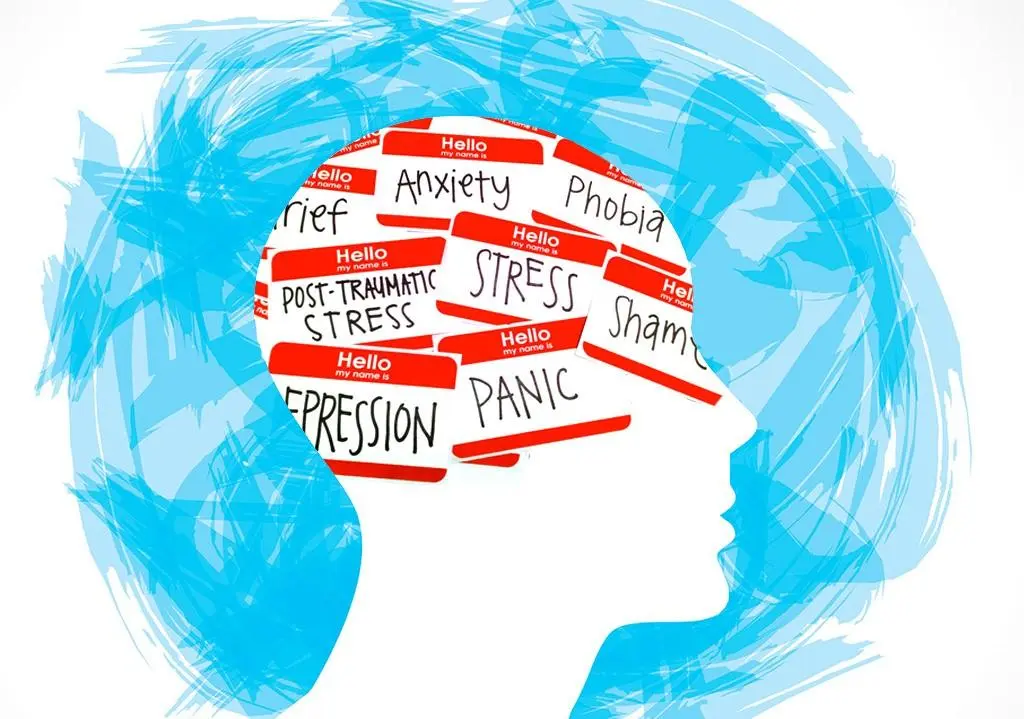
Education experts also highlight the importance of mental health. Stress, anxiety, and academic pressure can reduce focus and memory performance.
Students often compare themselves with others, which increases pressure and lowers confidence. Experts encourage students to focus on personal improvement instead of unhealthy competition.
Short breaks, exercise, proper sleep, and talking with supportive friends or family members can help students maintain a healthier mindset while studying.
Why Smarter Studying Is the Future

Modern education experts believe students must adapt to smarter learning strategies instead of outdated memorization methods. Schools, universities, and online education platforms are increasingly focusing on understanding, creativity, and problem-solving skills.
The most successful students are not always the ones who study the longest. In many cases, they are the students who study more effectively, stay consistent, and use scientifically proven learning techniques.
As education continues evolving in 2026, experts believe smarter study habits will become more important than ever before.
Final Thoughts
Millions of students still use ineffective study methods without realizing how much time and energy they waste. Education experts now encourage students to focus on active learning, consistent practice, healthy routines, and smarter study strategies.
Techniques like active recall, spaced repetition, practice testing, and focused study sessions can improve memory, concentration, and exam performance significantly.
Students who study smarter instead of simply studying longer often achieve better academic results with less stress. In 2026, smarter learning methods are helping students around the world improve performance, save time, and build stronger confidence for the future.