
Education systems worldwide are changing rapidly in 2026. Governments, schools, colleges, and universities are introducing new study rules, updated learning policies, and modern classroom systems to improve education quality and prepare students for the future.
Moreover, technology and artificial intelligence now influence how students learn, attend classes, complete assignments, and take exams. As a result, many students feel surprised by the major changes happening in the education sector this year.
Today, students and parents search online for the latest study rules, education policies, online learning updates, exam systems, and school regulations in 2026.
Therefore, understanding these new education changes has become extremely important for students worldwide.
Digital Learning Is Becoming Mandatory

One of the biggest study changes in 2026 is the increased use of digital learning systems. Many schools and universities now require students to use online portals, digital assignments, and virtual learning platforms.
Moreover, educational institutions now introduce smart classrooms and AI-powered teaching systems to improve student performance. As a result, students must become more familiar with technology and online learning tools.
In addition, many institutions now provide recorded lectures, online tests, and digital attendance systems.
This shift toward digital education is completely changing traditional classroom learning.
AI Tools Are Changing Modern Education
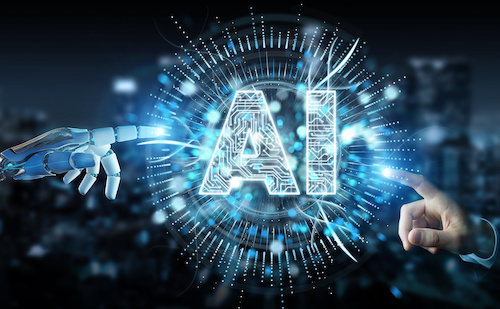
Artificial intelligence tools are becoming extremely popular among students for writing, research, and homework support. However, many schools and universities now create strict rules regarding AI use in academics.
Moreover, educational institutions now use AI detection systems to monitor assignments and exams. As a result, students must use AI responsibly and avoid academic dishonesty.
In addition, teachers encourage students to focus more on creativity, critical thinking, and personal understanding instead of depending completely on AI tools.
Experts believe balanced AI usage will become a major part of future education systems.
Attendance and Performance Rules Are Becoming Stricter

Many educational institutions in 2026 now enforce stricter attendance and performance rules for students.
Moreover, schools and colleges use digital tracking systems to monitor attendance, assignment submissions, and classroom participation. As a result, students who fail to meet academic requirements may face warnings or penalties.
In addition, many institutions now replace old exam-only systems with continuous assessment methods.
This new approach helps improve discipline and student engagement throughout the academic year.
Online Exams and Smart Testing Systems

Online examinations continue growing rapidly in 2026. Many universities and educational boards now conduct computer-based tests and virtual assessments.
Moreover, AI-powered systems monitor students during online exams to prevent cheating and maintain fairness. As a result, educational institutions can manage exams more efficiently and securely.
In addition, digital result systems now allow students to access grades and academic records online more quickly.
Technology now plays a central role in modern examination systems.
Skill-Based Education Is Growing Rapidly
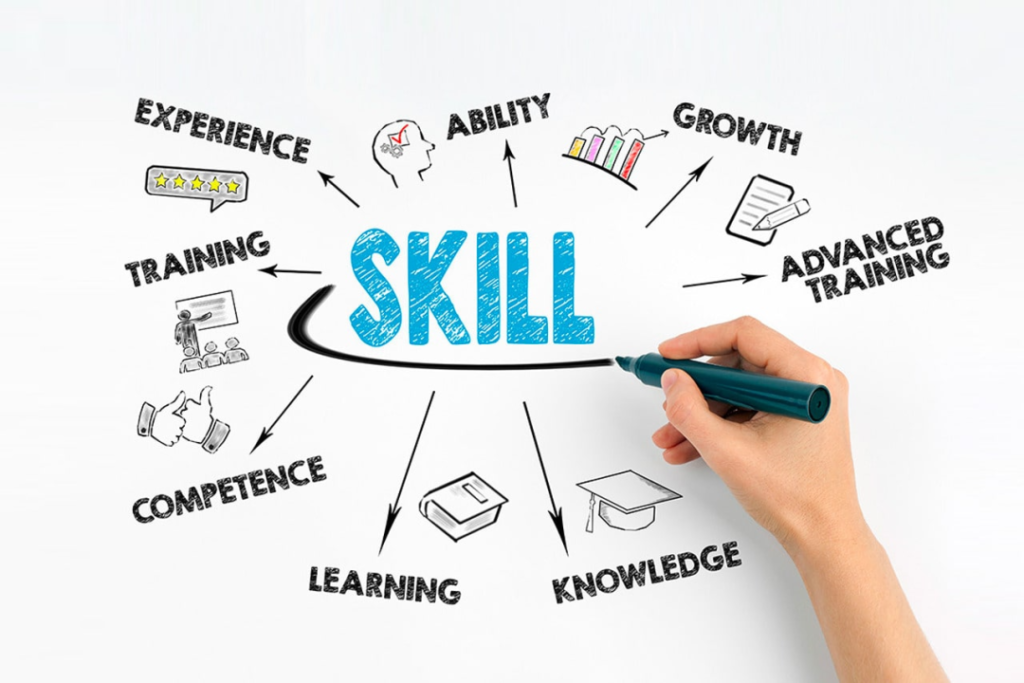
Traditional learning methods are changing as schools focus more on practical and skill-based education in 2026.
Moreover, teachers encourage students to learn technology, communication, digital marketing, coding, graphic design, and problem-solving skills alongside regular subjects. As a result, students become better prepared for modern careers and future job markets.
In addition, colleges and universities now introduce internship programs and project-based learning more frequently.
Experts believe practical education now matters more than memorization alone.
Mental Health Support for Students

Educational institutions now pay greater attention to student mental health and wellbeing in 2026.
Moreover, schools and universities introduce counseling services, stress management programs, and wellness activities for students. As a result, awareness about academic pressure and mental health continues increasing worldwide.
In addition, teachers and parents now support healthier learning environments and balanced study routines.
Student wellbeing now plays an important role in educational success.
Smartphone Restrictions in Classrooms
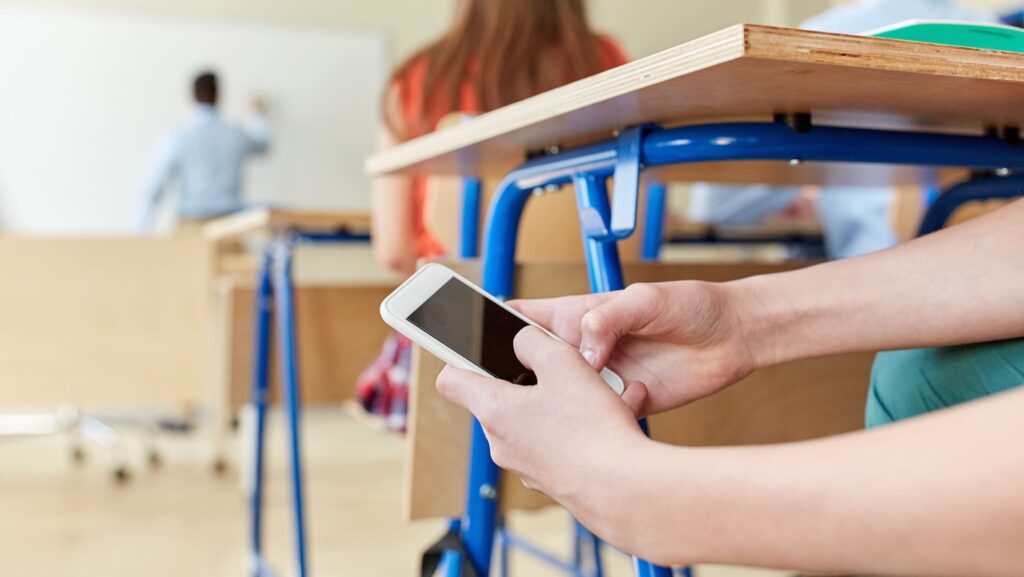
Many schools now introduce new smartphone usage policies in classrooms. Some institutions limit phone use during lessons to reduce distractions and improve concentration.
Moreover, teachers encourage students to focus more on learning activities and classroom participation. As a result, students become more disciplined during study hours.
However, some schools still allow smartphones for educational purposes like online research and digital learning apps.
Technology usage policies continue evolving in modern education systems.
Future of Education Rules in 2026

The future of education is becoming more digital, skill-focused, and technology-driven. Artificial intelligence, online learning, smart classrooms, and digital monitoring systems are changing how students study and learn.
Moreover, educational institutions continue introducing new rules to improve academic quality and prepare students for future challenges. As a result, students must adapt to modern learning methods and technological advancements.
Experts believe future education systems will focus strongly on innovation, creativity, and practical learning experiences.
Final Thoughts
In conclusion, the new study rules in 2026 are transforming education systems worldwide. Digital learning, AI regulations, online exams, stricter attendance systems, and skill-based education are among the biggest changes affecting students today.
Moreover, these modern education reforms aim to improve learning quality and prepare students for future careers in a digital world. Therefore, students who adapt quickly to these new study rules will gain important advantages in education and professional life.