Education is changing rapidly in 2026, and new learning systems are transforming the way students study around the world. Traditional classrooms are no longer the only source of education. Technology, artificial intelligence, and digital platforms are creating smarter and more flexible learning environments.
Moreover, students now have access to learning from anywhere at any time. As a result, education is becoming more accessible, interactive, and personalized for everyone.
This article explains the major education trends in 2026 and the new learning systems changing the future of education globally.
AI-Powered Learning Is Transforming Education
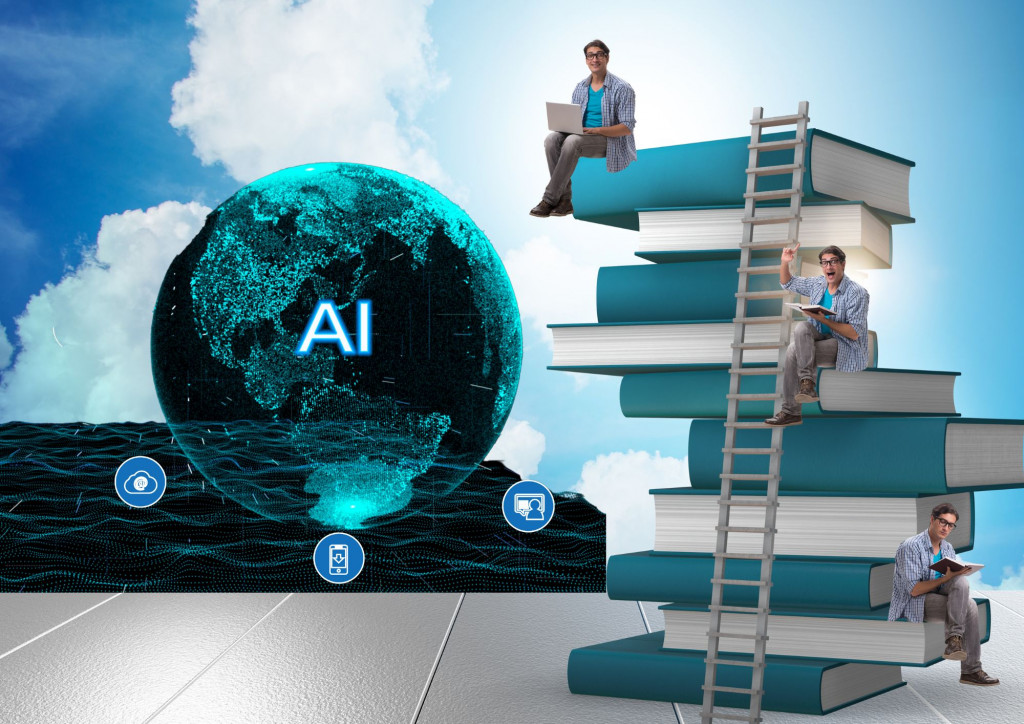
Artificial intelligence is now playing a major role in modern education. Schools and online platforms use AI tools to understand student performance and create personalized learning experiences.
Moreover, AI tutors can answer questions instantly and help students practice difficult topics. As a result, students can learn at their own speed and improve their understanding more effectively.
In addition, AI helps teachers save time by automating grading and lesson planning. Therefore, both students and teachers benefit from smarter learning systems.
Online and Hybrid Learning Are Growing Fast
Online education continues to expand in 2026. Many schools and universities now follow hybrid learning models where students study both online and in classrooms.
Furthermore, online learning gives students flexibility and access to global teachers and courses. Because of this, students from remote areas can receive quality education without traveling.
As a result, digital education platforms are becoming more popular worldwide.
Virtual Reality and Augmented Reality in Classrooms
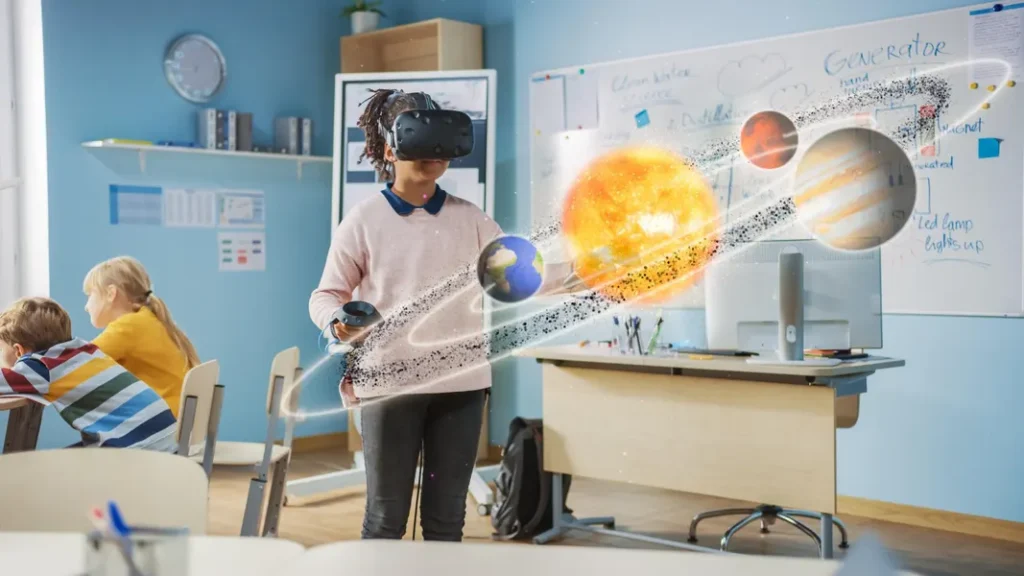
Virtual Reality (VR) and Augmented Reality (AR) are making education more interactive and engaging. Students can now explore virtual science labs, historical places, and 3D learning environments.
For example, medical students can practice surgeries in virtual simulations, while science students can explore space through VR technology.
Moreover, these technologies improve understanding and make learning more exciting. Therefore, schools are increasingly investing in immersive learning systems.
Skill-Based Education Is Becoming More Important

Modern education systems are focusing more on practical skills instead of only theoretical knowledge. Schools now teach coding, communication, critical thinking, creativity, and problem-solving skills.
In addition, employers now prefer skilled individuals who can adapt to changing industries quickly. Because of this, skill-based education is becoming essential for future careers.
As a result, students are preparing for real-world challenges more effectively.
Gamification Is Improving Student Engagement

Gamification is another major trend in education 2026. Learning platforms now use rewards, badges, points, and challenges to make studying more enjoyable.
Moreover, interactive learning helps students stay motivated and focused for longer periods.
Because of this, gamified education systems are increasing student participation and improving learning outcomes.
Global Learning Communities Are Expanding

Technology has connected students and teachers from different countries through online classrooms and digital platforms.
Furthermore, students can now learn different languages, cultures, and perspectives from international classmates.
As a result, education is becoming more global and collaborative than ever before.
Lifelong Learning Is the Future
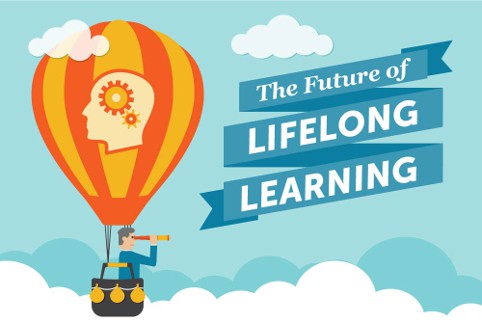
Learning is no longer limited to schools and universities. In 2026, people continue learning throughout their lives using online courses and digital certifications.
Moreover, professionals regularly update their skills to stay competitive in modern industries.
Therefore, lifelong learning has become an important part of personal and professional growth.
Challenges in Modern Education Systems

Despite many advantages, modern learning systems still face some challenges. Internet accessibility, high technology costs, and data privacy concerns remain major issues in many countries.
In addition, excessive screen time and reduced face-to-face interaction can affect students socially.
Because of this, governments and educational institutions must work together to create balanced and accessible education systems.
Final Thoughts
The future of education in 2026 is smarter, faster, and more connected than ever before. New learning systems powered by AI, virtual reality, and online platforms are transforming how students learn globally.
Moreover, education is becoming more focused on skills, flexibility, and personalized learning experiences. As a result, students now have greater opportunities to succeed in the digital world.
Therefore, adapting to modern learning technologies and developing practical skills will be essential for success in the future of education.